Đọc Bàn, Đọc Phòng: The Casino Floor Playbook for Vietnamese-American Players Who Want to Fit In and Stand Out for the Right Reasons
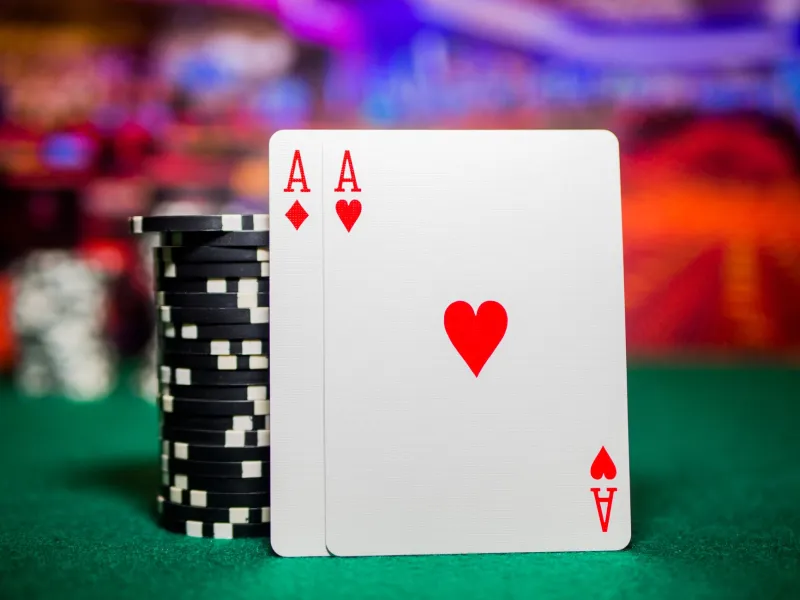
There's a running joke in certain Vietnamese-American circles: the first time you walk into a real Las Vegas casino, you either look like you own the place or you look like you're about to ask where the restroom is. The difference usually isn't money or luck — it's knowing how the room works.
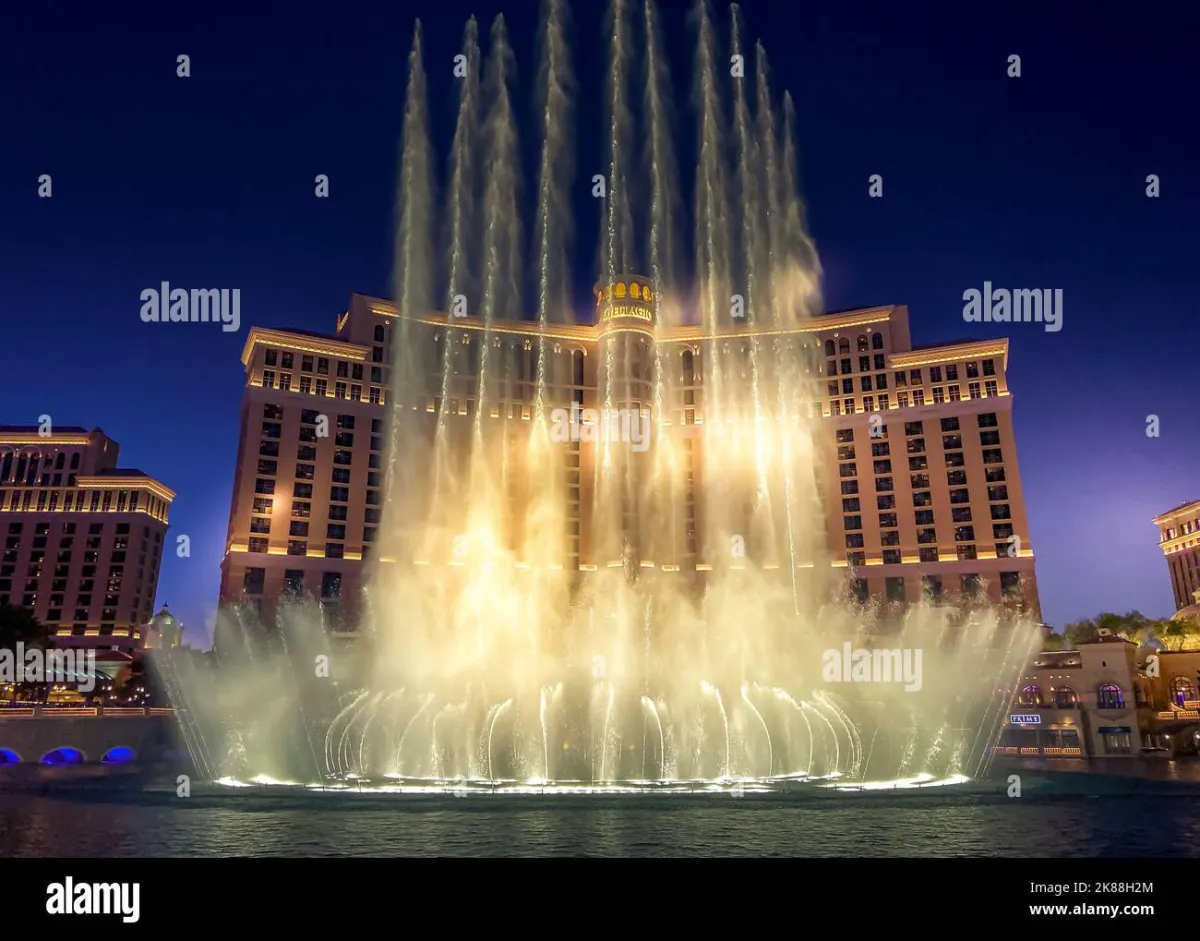 Photo: Las Vegas, via c8.alamy.com
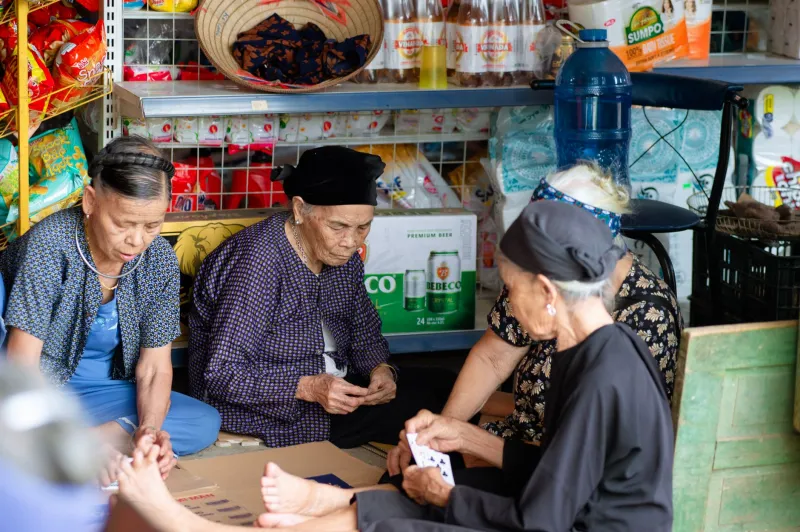
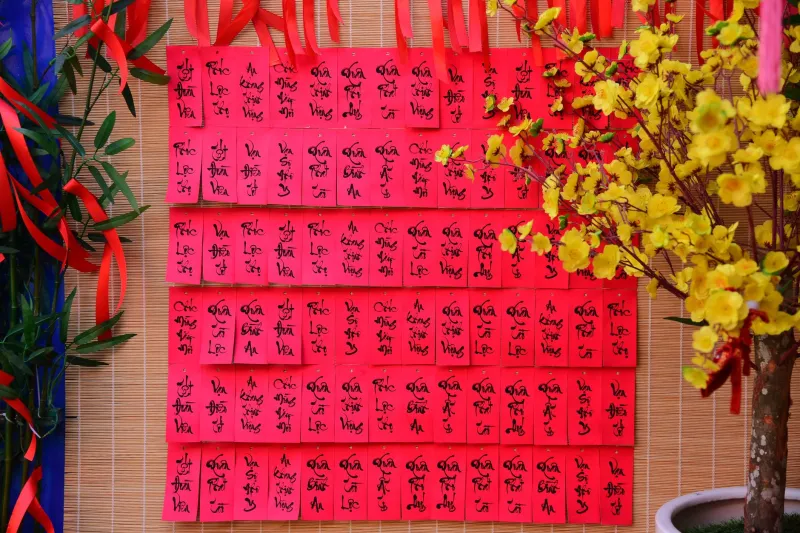
American casino culture has its own elaborate social contract. Some of it is posted on signs. Most of it isn't. And for players who grew up in Vietnamese-American communities where card games happened around kitchen tables in Westminster, in the back of restaurants in Houston's Midtown, or at Tết gatherings in San Jose, the jump to a formal casino floor introduces a whole new set of unspoken expectations.
 Photo: San Jose, via u.realgeeks.media
This guide is for those players. Not a lecture — just the real talk you'd get from a cousin who's been doing this for years.
The Tip Culture That Will Catch You Off Guard
Let's start with the thing that surprises Vietnamese-American players most consistently: tipping the dealer is a thing, and not tipping is noticed.
In Vietnam and in informal Vietnamese-American gambling circles, tipping the person running the game simply isn't a custom. The host is usually a friend or family member. The whole vibe is communal. American casino dealers, on the other hand, earn a significant portion of their income from tips. It's not mandatory — nothing is — but it's woven into the culture of the floor.
The standard approach: tip after a solid win, not after every hand. A $1 chip for a modest win at a low-stakes table is fine. At higher stakes, players often tip proportionally to the pot. Some players make a "bet for the dealer" — placing a small wager on behalf of the dealer alongside their own — which dealers genuinely appreciate because it creates shared stakes in the outcome.
You don't have to tip constantly. But if you've had a good run at a table and you leave without acknowledging the dealer at all, you will be remembered — and not warmly.
Reading the Room at a Craps Table
Craps is the game most likely to intimidate a first-time Vietnamese-American casino visitor, and also the one with the most elaborate social etiquette. The table is loud, communal, and has its own superstitions that rival anything in Vietnamese numerology traditions.
A few things to know:
Don't say "seven" at a craps table. Seriously. The number seven is the most feared outcome during a shooter's roll (after the come-out), and saying it out loud is considered bad luck by veteran players. Given that Vietnamese culture also has rich traditions around lucky and unlucky numbers, this one should feel familiar — just apply it differently.
Handle the dice with one hand only. When it's your turn to shoot, pick up the dice with one hand and keep them visible above the table. Don't cup them in both hands or hold them below the rail. Dealers will correct you, but doing it right from the start signals that you belong.
Join the energy of the table. Craps is the most social game on the floor. When the shooter is on a hot roll, the table celebrates together. If you're standing silently in the corner while everyone else is cheering, you'll stick out. You don't have to be loud — just present.
Blackjack Table Behavior: Slower, Quieter, More Deliberate
Blackjack is probably the most familiar game for Vietnamese-American players, given how popular 21-adjacent card games are in community settings. But the casino version has norms that casual home games don't.
Don't touch your bet once the hand starts. Once cards are dealt, your chips stay where they are. Moving or adjusting your bet mid-hand triggers immediate dealer intervention and can get you flagged.
Use hand signals, not just your voice. American casinos use hand signals (tap the table to hit, wave to stand) because cameras need to record every decision. Saying "hit me" verbally is fine, but you should pair it with the gesture. This is one of those small things that immediately communicates experience level.
Don't give unsolicited advice. This is a big one. In community card games, everyone at the table comments on everyone else's play. At a casino blackjack table, that's genuinely unwelcome. If the player next to you makes a questionable call, stay quiet. Their money, their choice.
Handling Wins and Losses Without Drawing Attention
Here's where cultural contrast gets interesting. In Vietnamese-American social gambling, wins are celebrated loudly and communally — it's part of the fun. Losses are shrugged off because the stakes are usually social rather than financial.
On an American casino floor, the calculus is different.
Big wins: It's totally fine to feel good about a win, but loud, extended celebrations at a table game can make other players uncomfortable and can draw attention you may not want — from other players and from casino staff monitoring floor activity. A quiet fist pump, a genuine smile, maybe a tip to the dealer. That's the move.
Losses: The number one thing that separates experienced players from new ones is how they handle a bad run. Sighing loudly, making comments about the dealer, or visibly sulking makes everyone at the table uncomfortable and signals emotional investment that skilled players exploit. Lose gracefully. It's a skill, and it matters.
Cashing out: When you're ready to leave a table, don't pocket chips directly. "Color up" — ask the dealer to exchange your smaller chips for higher denominations. It's cleaner, it's the norm, and again, it signals that you know what you're doing.
Language and Communication on the Floor
For Vietnamese-speaking players who aren't fully comfortable in English, casino floors can feel isolating. A few practical notes:
Most major casinos in markets with significant Vietnamese-American populations — Las Vegas, Southern California, the Gulf Coast — have staff members who speak Vietnamese, especially at higher-end properties. Don't hesitate to ask for assistance in your language if you need it. It's more common than you'd think.
When communicating with dealers, simple English phrases are fine. Dealers are used to working with players from all backgrounds and will meet you where you are. What matters more than language fluency is following the visual and physical norms of the table.
The Sportsbook: A Different Energy Entirely
If table games feel formal, the sportsbook is the casino's living room. Dress code is relaxed, conversation is encouraged, and cheering for your team is not only acceptable — it's the whole point. Vietnamese-American players who are newer to casino environments often find the sportsbook the most comfortable entry point, and that makes sense.
Just know: don't block the screens, be mindful of how loudly you're on your phone during big moments, and if you're at a shared table, don't spread out like you own it when the place is packed.
The Bigger Picture
Casino etiquette isn't about assimilation — it's about fluency. The Vietnamese-American players who move through casino floors with the most confidence aren't the ones who've abandoned their cultural identity. They're the ones who've learned to read two rooms at once: the one they came from and the one they're standing in.
At VN88 Vàng, we believe that playing well means playing informed. Knowing the unwritten rules doesn't just make your night smoother — it means you spend less energy on the social dynamics and more energy on the actual game. And that, in the end, is always the better bet.