Three Generations, One Bet: How Vietnamese-American Gambling Culture Grew Up
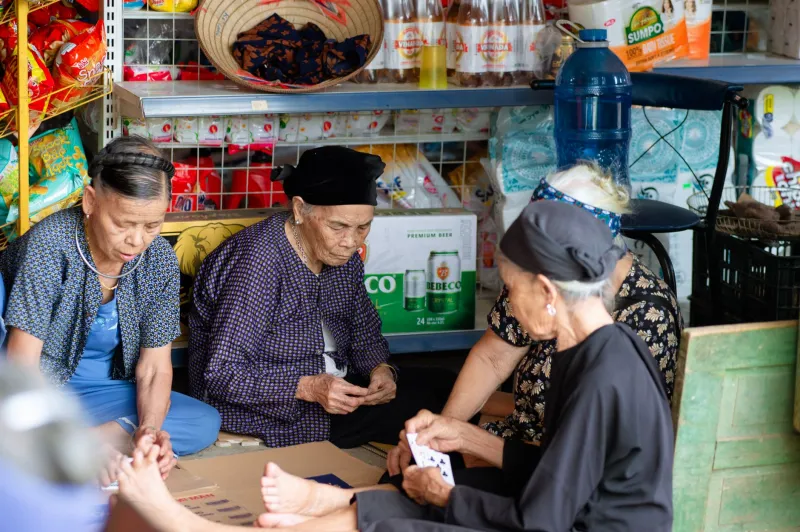
There's a particular sound that a lot of Vietnamese-Americans of a certain age can still hear if they close their eyes — the sharp clatter of mahjong tiles on a folding table, the low murmur of uncles debating a hand, the smell of jasmine tea and cigarette smoke drifting through a cramped apartment in Garden Grove or East San Jose. That sound was more than entertainment. It was community. It was survival. And in a strange way, it was the beginning of a gambling tradition that now lives on smartphones and regulated sportsbook platforms across the United States.
 Photo: Garden Grove, via www.wearesexe.com
The journey from those back-room games to today's legal online betting scene is really a story about three generations of Vietnamese-Americans — and what each one needed from a game of chance.
The First Generation: Games as Lifelines
When the first wave of Vietnamese refugees arrived in the United States after 1975, they came with almost nothing. Language barriers, unfamiliar systems, and profound displacement defined daily life. In that context, gathering around a card game wasn't frivolous — it was essential.
Bài cào, tứ sắc, and various regional card games traveled across the Pacific in people's memories. Mahjong, borrowed from decades of cultural exchange with Chinese communities, also found a home. These games happened in living rooms, community center basements, and the back rooms of Vietnamese-owned businesses. Stakes were modest by American standards, but the emotional investment was enormous.
For the first generation, gambling served functions that casinos and sportsbooks never could. It was a way to maintain social bonds in a foreign country, to speak a shared language when English felt impossible, and to assert some sense of agency over outcomes in a life that felt largely out of their control. Winning a hand of bài cào meant something. It was a small, private victory in a world full of uncertainty.
Of course, operating outside legal frameworks came with real risks. Raids were occasional, tensions with neighbors sometimes flared, and problem gambling — with no support infrastructure and deep cultural stigma around admitting struggle — quietly damaged some families. The underground nature of these games was both their strength and their vulnerability.
The Second Generation: Caught Between Two Worlds
The children of those early refugees grew up straddling cultures in ways their parents never had to. They watched their elders play but also absorbed American ideas about legality, ambition, and financial planning. Their relationship with gambling became more complicated — and more interesting.
For many second-generation Vietnamese-Americans coming of age in the 1990s and 2000s, the big move was the casino. Card clubs in California, tribal casinos in states like Oklahoma and Washington, and eventually the massive resort casinos of Las Vegas and Atlantic City became destinations. This was gambling that was legal, visible, and — importantly — something you could talk about at work on Monday morning.
 Photo: Atlantic City, via dynamic-media-cdn.tripadvisor.com
 Photo: Las Vegas, via thumbs.dreamstime.com
Poker exploded in this era, and Vietnamese-American players made their presence felt at tables across the country. The game blended the strategic depth that resonated culturally with the competitive, individualistic energy of American life. It wasn't just about luck anymore. Skill mattered. Reading people mattered. And that felt like a game worth mastering.
Sports betting, though still largely illegal outside Nevada until 2018, also found its way into second-generation social circles through offshore books and informal pools. Following the NFL or the NBA while having a little action on the game? That was peak American assimilation — done the Vietnamese way, with more intensity and better snacks.
The Third Generation: Legal, Mobile, and Unapologetically Theirs
Today's third-generation Vietnamese-Americans — many of them in their 20s and early 30s — have inherited the love of the game without most of the legal baggage. The Supreme Court's 2018 Murphy decision opened the floodgates for state-by-state sports betting legalization, and the mobile app revolution put a full sportsbook in everyone's pocket.
This generation doesn't need a back room. They need a good Wi-Fi connection and a platform that gets them. They're comfortable with data, interested in strategy, and culturally fluent enough to appreciate both the Vietnamese numerology their grandmothers swore by and the analytics dashboards their favorite sportsbooks provide.
What's striking is how the communal spirit of those first-generation card games has survived the technological transformation. Group chats light up before big games. Friends share picks and debate odds with the same energy their grandparents brought to a mahjong table. The medium changed. The feeling didn't.
Platforms like VN88 Vàng exist precisely because this community deserves a space that speaks its language — literally and culturally. Vietnamese-language interfaces, games with familiar roots, and a community that doesn't require anyone to explain the significance of certain numbers or the logic of certain rituals. It's the back room, rebuilt for the digital age and operating fully above board.
What Gets Passed Down
Every generation of Vietnamese-Americans carried something forward from the one before it. The first generation passed down the belief that gathering around a game is a form of love. The second generation added the idea that you can compete at the highest levels and win. The third generation is adding something new: the insistence that you can do all of this legally, safely, and on your own terms.
The mahjong tiles are quieter now. But the spirit behind them — the thrill of the unknown, the pleasure of shared stakes, the satisfaction of a well-played hand — that's not going anywhere. It just found a new home.
And honestly? The new home has better odds.